Unleashing the Power: An Exhaustive Resource to VR6 Jetta Engine Systems
The VR6 engine embodies an impressive combination of efficient design and exceptional capability. Its unique engineering attracts dedicated car enthusiasts and daily commuters. Given the wide range of aftermarket modifications on offer, a growing number of owners aim to improve their vehicle's overall performance. Understanding essential tuning techniques and common maintenance issues can greatly impact longevity and performance. As the conversation progresses, the many pathways to maximizing the VR6's capabilities will become increasingly clear.
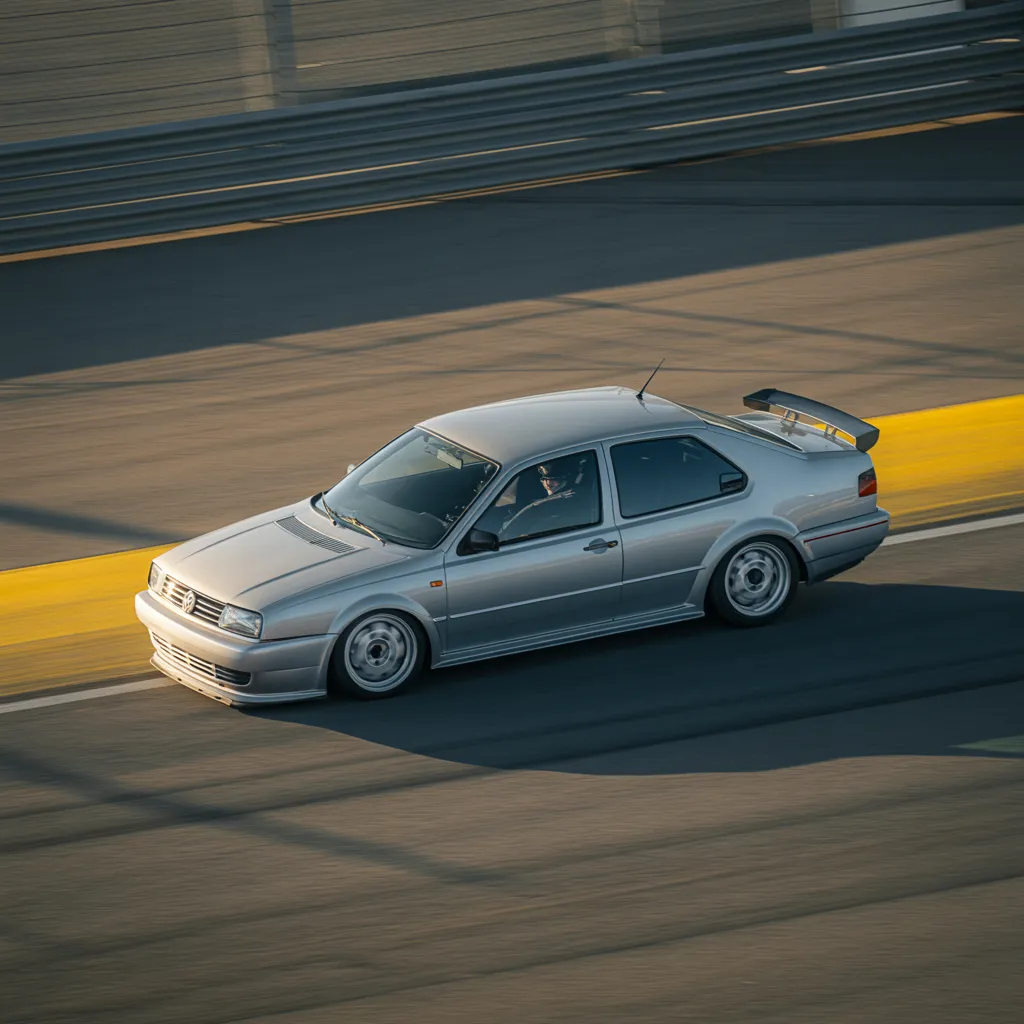
The Unique Engineering of the VR6 Engine
The VR6 engine distinguishes itself in the field of automotive engineering because of its innovative design that integrates the qualities of both V-type and inline layouts. This unique layout enables the VR6 to preserve a smaller footprint while generating substantial power. The engine utilizes a narrow-angle V design, which facilitates a reduced engine length when measured against traditional V engines. This compact design facilitates more straightforward integration in a range of vehicle platforms, especially in the Jetta.
Moreover, the VR6 incorporates a solitary cylinder head, streamlining the design and reducing weight. Its design produces seamless operation and reduced vibration, enhancing overall driving comfort. The engine generally features a specialized firing arrangement that creates its distinctive sound, attracting automotive enthusiasts. All in all, the VR6 engine demonstrates creative engineering, maintaining equilibrium between performance, efficiency, and space-conscious construction, establishing it as an exceptional selection for a wide range of automotive applications.
Why Upgrade Your VR6 Jetta
Enhancing a VR6 Jetta can considerably enhance both handling and performance characteristics. Enthusiasts often look for upgrades in torque, horsepower, and driving dynamics. The VR6 engine, recognized for its exceptional smoothness and innovative architecture, delivers a solid foundation for these upgrades. Enhancements can produce measurable increases in power and torque, resulting in faster acceleration and a more thrilling driving experience.
In addition, changes can increase the vehicle's maneuverability and quickness, making it more enjoyable to drive in different conditions. A expertly tuned VR6 Jetta can also deliver enhanced fuel economy, promoting a harmony between performance and practicality.
Moreover, modernizing components such as the exhaust system, suspension, and brakes can transform the vehicle's handling qualities, guaranteeing a more thrilling ride quality. All things considered, these improvements not only improve driving performance but also increase the automobile's appeal and value to current owners and future buyers, making such modifications a valuable decision.
Key Aftermarket Mods for VR6 Power
Enhancing VR6 output often begins with carefully chosen aftermarket modifications that improve performance. One of the most significant upgrades is a high-flow intake system, which provides increased airflow, optimizing combustion efficiency. Combined with a upgraded exhaust system, this pairing not only maximizes power but also generates a more powerful sound.
A further widely recognized enhancement is the installation of a performance chip or ECU remap, which fine-tunes engine parameters for better horsepower and torque. Enhancing the ignition system with high-performance coils and spark plugs can also yield significant gains, ensuring peak combustion.
For drivers aiming to enhance handling while boosting power, advanced suspension upgrades, including coilovers and sway bars, are a must. Furthermore, lightweight rims decrease unsprung mass, boosting acceleration and stopping power. As a whole, these critical upgrades provide a comprehensive strategy for unleashing the genuine capabilities of the VR6 engine.
Fundamental Performance Techniques for Enhancing VR6 Engine Power
Tuning the VR6 engine calls for a strategic approach to achieve its full performance capabilities. Essential methods involve adjusting the air-to-fuel ratio through reprogramming the ECU, which enhances engine responsiveness and power delivery. Upgrading the intake and exhaust components can greatly improve airflow, allowing the engine to breathe more freely and perform better at greater rotational speeds.
Adding a performance module can optimize fuel delivery and ignition timing, enhancing efficiency and horsepower. Moreover, periodic inspection of components including ignition coils and firing components guarantees that the engine operates efficiently, preventing performance degradation.
Acquiring a high-quality intercooler is essential for those looking to boost turbocharged and supercharged configurations, as it assists in maintaining proper intake temperatures. Furthermore, employing a dyno for precise tuning allows for real-time corrections, guaranteeing that the engine operates at its best across multiple driving conditions. These critical techniques combine to elevate the VR6's overall performance.
Resolving Typical Issues in VR6 Engines
Among VR6 engines, timing chain tensioner failures and intake manifold problems are among the most prevalent issues observed. When not resolved in a timely manner, these concerns can cause substantial performance deterioration and serious engine damage. Understanding their causes and solutions is essential for maintaining peak engine function.
Timing Chain Tensioner Issues
Timing chain tensioner issues often develop in VR6 engines, resulting in potential performance issues and costly repairs. These problems often stem from deterioration or malfunction of the tensioner, which can result in incorrect chain tension. A malfunctioning tensioner may cause the timing chain to shake or emit strange sounds, indicating that the chain may not be correctly positioned. If left untreated, this can lead to serious engine harm, including warped valves or catastrophic engine failure. Periodic evaluations and timely substitutions of the timing chain tensioner can help minimize these hazards. Owners of VR6 engines should stay vigilant for symptoms of tensioner failure to guarantee peak performance and longevity of their vehicles.
Intake Manifold Problems
Intake manifold issues can significantly impact the efficiency and performance of VR6 engines. Frequent concerns encompass vacuum leaks, which can lead to irregular idling and reduced fuel efficiency. Additionally, the configuration of the intake manifold can produce irregular air distribution, causing power loss and rough engine performance. Over time, carbon buildup can additionally block airflow, further deteriorating engine efficiency. Routine inspections are critical to identify these issues early. Installing new components in place of damaged ones can restore peak performance. Furthermore, switching to aftermarket intake manifolds may improve airflow and boost horsepower. Addressing these concerns assures that the VR6 engine operates smoothly, maintaining its reputation for power and reliability.
Top Maintenance Tips for Your VR6
Upkeeping a VR6 engine requires focus on various essential parts to achieve maximum efficiency and durability. Routine oil changes are critical, with synthetic oil advised to withstand the engine's demands. Inspecting coolant levels and guaranteeing that the system is free of leaks will prevent overheating, a frequent problem in VR6 engines.
Moreover, the timing chain and tensioner should be inspected periodically, as defects can contribute to extensive engine deterioration. Replacing the air filter regularly promotes peak airflow and operational efficiency.
Examining the spark plugs and ignition coils is vital for ensuring effective combustion. Tire pressure and alignment should never be ignored, as they also impact engine performance.
Ultimately, using a high-quality fuel additive can effectively clean fuel injectors and optimize overall efficiency. By adhering to these essential maintenance guidelines, drivers can unlock the complete potential of their VR6 engines while keeping important resource unexpected issues to a minimum.
Contrasting VR6 Performance With Alternative Engine Types
Although numerous engine configurations provide unique benefits, the VR6 sets itself apart for its unique combination of performance and space-efficient layout. This particular engine setup delivers a powerful power band, generating remarkable torque and horsepower, which enhances the driving experience in the Jetta. Measured against inline-four engines, the VR6 typically offers more refined power delivery and a more engaging sound, attracting driving enthusiasts.
Compared to conventional V6 engines, the VR6's more compact design allows for increased adaptability in vehicle layouts, resulting in enhanced handling performance. Turbocharged engines, despite frequently producing increased maximum power, often lack the linear power delivery characteristic of the VR6, which can be more enjoyable in routine driving conditions.
All things considered, the VR6 engine finds a equilibrium between performance and functionality, making it a persuasive pick for enthusiasts desiring a thrilling driving experience without neglecting space and design efficiency.
Questions We Often Receive
What Is the History Behind the VR6 Engine Design?
The VR6 engine concept emerged in the late 1980s, created by Volkswagen. It brought together the strengths of a V6 and inline engine, providing compact dimensions while delivering smooth operation and powerful performance across various models.
How Does the VR6 Engine Compare to Turbocharged Engines?
The VR6 engine provides a distinctive combination of strength and fluidity, commonly offering a more steady power delivery compared to turbocharged engines, which commonly provide power in surges, resulting in a notably different driving feel.
What Is the Expected Lifespan of a VR6 Engine?
The standard lifespan of a VR6 engine typically ranges between 150,000 to 200,000 miles, depending on maintenance and driving conditions. Regular upkeep can significantly improve its lifespan and general performance reliability.
Are There Particular Oil Recommendations for VR6 Engines?
VR6 engines typically benefit from premium synthetic motor oils, specifically those rated at 5W-40 or alternatively 0W-40. Regular oil changes and adhering to manufacturer specifications ensure optimal performance and extended lifespan for these powerful engines.
What Are the Best Fuel Types for Optimizing VR6 Performance?
For optimizing VR6 performance, premium unleaded gasoline with a minimum octane rating of 91 or higher is advised. This fuel type improves combustion effectiveness, improving power output and total engine performance, essential for demanding driving conditions.